
Forex trading can be an exhilarating yet challenging journey. Mastering the markets requires a blend of knowledge, strategy, and discipline. One of the keys to successful trading is having the right techniques at your disposal. In this article, we will explore various forex trading techniques that can help you navigate the complexities of the market with confidence. For those looking to find reliable resources, you can check out forex trading techniques Best Ivorian Brokers to enhance your trading experience.
Understanding Forex Trading Basics
The foreign exchange market (Forex or FX) is the largest financial market in the world, with a daily trading volume exceeding $6 trillion. Unlike stocks or commodities, forex trading involves pairs of currencies, where traders speculate on the price movements of one currency against another. To develop effective techniques, one must first understand the basic terms and concepts, such as pips, leverage, margin, and spreads.
Technical Analysis
Technical analysis is one of the most popular methodologies used by forex traders. It involves analyzing historical price data to forecast future price movements. Key elements of technical analysis include:
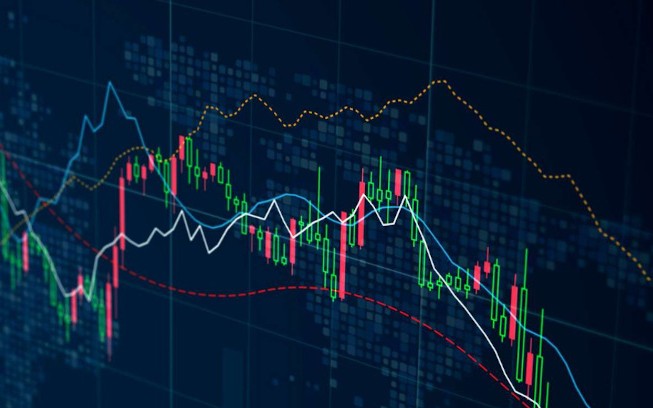
- Charts: Use charts to visualize price movements over time. Different types include line charts, bar charts, and candlestick charts.
- Indicators: Utilize various technical indicators, such as Moving Averages, Relative Strength Index (RSI), and Bollinger Bands, to identify potential entry and exit points.
- Support and Resistance Levels: Identify key support and resistance levels to understand where prices are likely to bounce or reverse.
Fundamental Analysis
While technical analysis focuses on price action, fundamental analysis looks at economic indicators, political stability, and other factors that could affect currency value. Some important economic indicators include:
- Interest Rates: Central banks set interest rates, which can influence currency values significantly. Higher interest rates usually attract more foreign capital.
- Employment Data: Reports like Non-Farm Payrolls can provide insights into economic health and impact market perceptions.
- Inflation Rates: Inflation can erode purchasing power, leading to declines in currency value.

Risk Management Techniques
Risk management is crucial in forex trading, as it helps to protect your capital from unexpected market movements. Here are some effective risk management techniques:
- Position Sizing: Determine how much capital to risk on each trade. A common rule is to risk no more than 1-2% of your trading capital on a single trade.
- Stop-Loss Orders: Always use stop-loss orders to limit potential losses. Place them at strategic points based on market volatility and support/resistance levels.
- Diversification: Avoid putting all your capital into one trade. Diversifying your portfolio across various currency pairs can reduce risk.
Trading Strategies
Successful forex traders often employ specific trading strategies based on their analysis and risk appetite. Here are a few popular strategies:
- Scalping: This technique involves making quick trades to profit from small price movements. Scalpers often enter and exit positions within minutes.
- Day Trading: Day traders open and close positions within the same trading day, avoiding overnight risk. They often use short-term charts and technical indicators to make decisions.
- Swing Trading: Swing traders hold positions for several days to take advantage of expected price swings. This strategy requires patience and a good understanding of market trends.
- Position Trading: This long-term strategy involves holding trades for weeks, months, or even years. Traders rely on fundamental analysis and economic outlooks rather than short-term price movement.
Maintaining Trading Discipline
Discipline is essential for successful trading. Emotions can lead to impulsive decisions that result in losses. Here are some tips to maintain trading discipline:
- Set a Trading Plan: Develop a detailed trading plan that outlines your strategies, risk management rules, and goals. Stick to this plan and avoid making emotional decisions.
- Keep a Trading Journal: Document your trades, including the reasons for entering and exiting. This will help you learn from past mistakes and improve your trading strategies.
- Continuous Education: The forex market is constantly evolving. Stay updated with the latest news, trends, and techniques through tutorials, webinars, and trading forums.
Conclusion
In conclusion, mastering forex trading techniques is essential for those looking to succeed in the forex market. By understanding the basics of forex, employing technical and fundamental analysis, managing risks effectively, and adhering to a disciplined trading strategy, traders can improve their chances of success. Always remember that trading involves risks, and continuous education and practice are keys to developing your skills. Embrace these techniques, and you may find yourself on the path to becoming a successful forex trader.